I could add a LOT more to this list, but I am going to limit myself to books I’ve read/reread in recent years only. I could recommend many more, but here are a few I’d recommend. I have separated them out by type of book and occasionally by topic of the book. Categories include: biography/memoir, criminal justice, Black history, Black feminist thought, anti-racism, young adult fantasy, young adult reaslistic, self-help-ish, adult literary/classic/poetry, middle grade, and picture books.
Whatever you like to read, take the moment to dive in and read some great pieces by Black authors. I have included a few books in this list that are not written by Black authors that I have denoted with an asterisk. I will explain why I included them, but otherwise, every author is a Black author.
In short, if you are a “I will only read one book on race and one alone,” check out Slavery by Another Name by Douglas Blackmon. It’s the one I’d recommend above any other. Likewise, if you are a “I will only look at one section in this entire post,” it’s the Black History section, followed closely by the Criminal Justice section.
BIOGRAPHY/MEMOIR
- Becoming by Michelle Obama
- Haben: The Deafblind Woman Who Conquered Harvard by Haben Girma
- Better Not Bitter: Living Purpose in the Pursuit of Racial Justice by Yusef Salaam
- Wandering in Strange Lands: A Daughter of the Great Migration Claims Her Roots by Morgan Jerkins
- My Remarkable Journey by Katherine G. Johnson
- My Life, My Love, My Legacy by Coretta Scott King
- We’re Better Than This by Elijah Cummings
- Shirley Chisholm: Champion of Black Feminist Power Politics by Anastasia Curwood
- The Immortal Life of Henrietta Lacks by Rebecca Skloot*
- When They Call You A Terrorist by Patrisse Khan-Cullors

Becoming by Michelle Obama– It tops a ton of “most recommended book lists” for a reason. Regardless of political leanings, this one is worth checking out. I’ve written about this one at length in my Best Reads of 2019 post, so I won’t expound too much here. But it’s refreshingly relatable, honest, and real. I really enjoyed it. It’s a great book about identity, growth, life, changes, and becoming who you want to be.
Haben: The Deafblind Woman Who Conquered Harvard by Haben Girma– A very insightful book that also touches on intersecting identities. Here, deafblind, female, and Black. I listened to this on audio. Haben has a quiet voice, but I still enjoyed the audio version. This book is a great look at the way we as a society could do much better when it comes to accessibility.
Better Not Bitter: Living Purpose in the Pursuit of racial Justice by Yusef Salaam– Yusef is one of the Exonerated Five. For my friends who prefer film, check out When They See Us by Ava Duvernay on Netflix. It’s very powerful. I enjoyed reading about Yusef’s thoughts and experience directly from him. (And yes, I could have also included this in the criminal justice section.) If you prefer fantasy, check out Punching the Air by Ibi Zoboi. Yusef helped write this one.
Wandering in Strange Lands: A Daughter of the Great Migration Claims Her Roots by Morgan Jerkins– As you’ll note later, I greatly enjoy Morgan’s writing. This is a book about identity and family identity and how you create that when so much of your family identity is unknown, lost, complicated, or fraught. Many of my peers are deeply interested in family history and culture; I’d recommend this one.
My Remarkable Journey by Katherine G. Johnson– I think more have read the book Hidden Figures and seen the film by the same name. I have read that one and seen the movie, and I really enjoyed both.
However, I really enjoyed learning about her story from the woman herself. Knowing which parts of the film were exaggerated or inaccurate and also hearing directly how she felt about events as they were happening. For anybody searching for women in STEM, this is a great read.
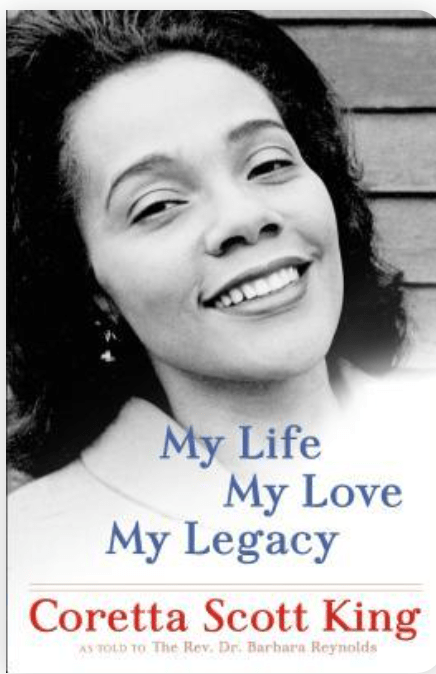
My Life, My Love, My Legacy by Coretta Scott King– I greatly enjoyed learning more about Coretta. She was a truly remarkable woman, who often we forget about. This book tells her story, her thoughts, her perspective, and more about her. I really enjoyed reading this one and would recommend it to anybody.
We’re Better Than This by Elijah Cummings– I found this one to be quite enjoyable. This one is obviously more political than many others on this list. I keep a tally to ensure I’m reading an equal amount of conservative/liberal books. I enjoyed learning more about Cummings and his life. It is interesting in how it ties the “distant past” to the current past.
Shirley Chisholm: Champion of Black Feminist Power Politics by Anastasia Curwood– I have read a lot of short snippets about Shirley Chisholm. She’s referenced everywhere. And yet, to my surprise, when I first tried to find one longer work devoted to and focused on her, I found none. This is a newly released book, so I snatched it the second I could, and I’m glad I did. It was dense and thorough, but I found it fascinating to dive more into the life of this woman. So I recommend it. (Note: I received a copy of this book for review.)
The Immortal Life of Henrietta Lacks by Rebecca Skloot*– This one is not by a Black author. I included it, however, because so many find it such a compelling and horribly fascinating read. They are not wrong. I think it raises ethical dilemmas and racial dimensions that are harder to find in as approachable books as this one. I also think given the current climate with vaccines and Covid-19 that it’s very timely.
When They Call You A Terrorist by Patrisse Khan-Cullors– This is a book by one of the founders of the national Black Lives Matter movement and one of the originators of the hashtag. I read this one, and I’m very glad I did. Some of my friends may find some of the material to be positionally challenging or different for them. However, reading this book helped me understand a great deal more about why the national movement focuses on what it does and why it’s so important to them, and how it came to be.
CRIMINAL JUSTICE
- Just Mercy by Bryan Stevenson
- The New Jim Crow: Mass Incarceration in the Age of Colorblindness 10th Anniversary Edition by Michelle Alexander
- Pushout: The Criminalization of Black Girls in Schools by Monique W. Morris
- A Knock At Midnight by Brittany Barnett
- Invisible No More: Police Violence Against Black Women and Women of Color by Andrea J. Ritchie
I think people often make a mistake when they recommend or invite non-Black friends to learn more about Black history/works and, particularly, antiracism. People too often jump straight to antiracist materials, when I think it is wiser and more productive to jump to this section, but even more so, to the section below which I’m calling “Black History.”
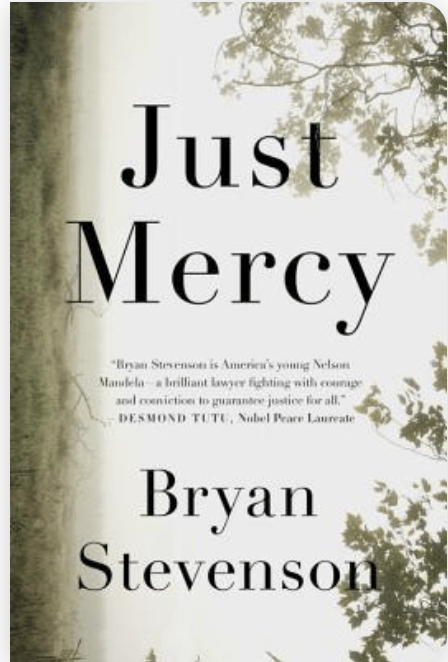
Just Mercy by Bryan Stevenson– If people tell me something like, “I will read one book on criminal justice, what should I read?” or “What is one book I should read to help me understand criminal justice?” Or any other variation of that, this is the one I would point them to. While I love The New Jim Crow (see immediately below), I think this book is more approachable and covers a lot in an accessible and memorable format. It is also one of my most recommended books of all time. I have gifted this book, I have a copy on hand that I’ll let anybody use, I have my own copy, and I have it on audio. I have read it, listened to it, and analyzed this one in great depth. I pull this book out frequently.
The movie focuses on only one story (the main one), but it is still good for those who prefer film. There is also an adaption of this book for teen readers.
The New Jim Crow: Mass Incarceration in the Age of Colorblindness 10th Anniversary Edition by Michelle Alexander– Do yourself a favor and if you read this one, get the 10th Anniversary Edition. It helps connect criminal justice to what she calls the “mass deportation” that is ongoing now. This is the one that most people recommend first in this genre; I explained above why I would recommend it second. It is thorough and well sourced. And the research holds up. Again, it is very comprehensive in the scope she tackles here. She focuses on Black men mainly, which is why you’ll see I think it should be supplemented by some others. For those who prefer documentaries, Thirteenth by Ava Duvernay cites much of Michelle Alexander’s work, and it is brilliant.
Pushout: The Criminalization of Black Girls in Schools by Monique W. Morris– This book is extremely well written and one of my all-time favorites. It’s extremely helpful in adding to Michelle’s work. Here, Monique talks about the overcriminalization of Black Girls and the “school to prison” pipeline. I cannot speak highly enough about this book.
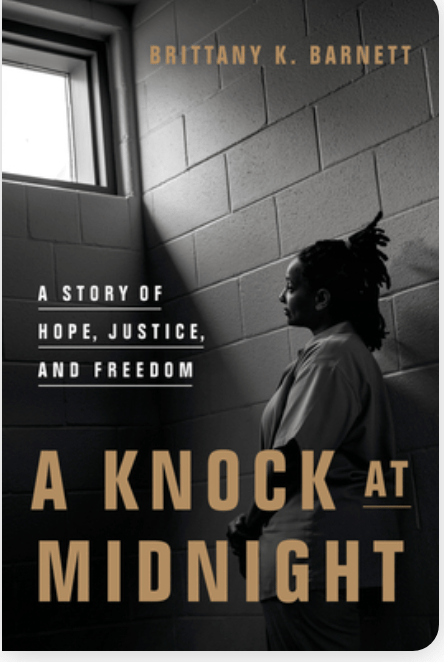
A Knock At Midnight by Brittany Barnett– This one is a great add-on to Just Mercy. Brittany works with those seeking pardons and commutations of drug sentences. Bryan focuses mainly on wrongful convictions or youth/people with disabilities being convicted for too long. While he does dive into the topics Brittany does here, Brittany’s work is focused on this one point. She discusses individuals who committed crimes, made mistakes, and how the criminal justice system is not working properly or equitably in those cases. I have worked directly in the criminal justice system for a short time and read fairly extensively in this area; Brittany’s book is well done.
Invisible No More: Police Violence Against Black Women and Women of Color by Andrea J. Ritchie– I think this is a good addition to Alexander’s work as well in that it focuses on Black women and women of color and the specific issues that they face. Very well done.
BLACK HISTORY
To explain this label of mine, I am not using “Black History” just to mean events that happened in the past or to capture famous Black people or moments in history, although I certainly do mean to capture that.
This section refers more expansively to books that helped me with what I described above but, more importantly, books that helped me understand much of American history, current moments and struggles and challenges, developments in systems and structures, and basically anything much more clearly.
This section encompasses a little bit of everything in other words. This is the section where I included more non-Black authors than any other. It is my hope that I will find more books by Black authors to fill this section in.
- Slavery by Another Name: The Re-Enslavement of Black Americans from the Civil War to World War II by Douglas A. Blackmon*
- The Color of Law: A Forgotten History of How Our Government Segregated America by Richard Rothstein*
- Race for Profit: How Banks and the Real Estate Industry Undermined Black Homeownership by Keaanga-Yamahtta Taylor
- The Burning: Black Wall Street and the Tulsa Race Massacre of 1921 written by Tim Madigan* and adapted for young people by Hilary Beard
- The Blood of Emmet Till by Timothy B. Tyson*–
- Until I Am Free: Fannie Lou Hamer’s Enduring Message to America by Keisha N. Blain
- They Were Her Property: White Women as Slave Owners in the American South by Stephanie Rogers-Jones
- The 1619 Project: A New Origin Story by Nicole Hannah-Jones
Slavery by Another Name: The Re-Enslavement of Black Americans from the Civil War to World War II by Douglas A. Blackmon*– This is not by a Black author either. And yet, it is the book above any others that people should read if they want to understand race, racism, criminal justice, history, current race relations, etc.
As I said above if you tell me you will only read one book about race, I’m choosing this one. I’ve also been told there is a PBS documentary by the same name, but I have not watched that yet. I’m more of a book gal than a movie gal. This also helps fill in and explain some of The New Jim Crow that I reference above.
This book helped me understand so much that I hadn’t connected before. It’s very well done.
The Color of Law: A Forgotten History of How Our Government Segregated America by Richard Rothstein*– This book is a deep dive into housing and city planning/development to explain why so many white people can say “there are no Black or brown people in my neighborhood.” It explains why our towns and cities are so divided by race. And it also demonstrates that it wasn’t accidental or happenstance. This book carefully explains how the federal government and state governments helped make it that way. I think it’s fairly approachable.

Race for Profit: How Banks and the Real Estate Industry Undermined Black Homeownership by Keaanga-Yamahtta Taylor– Now that we’ve looked at law/criminal law and housing, this book dives into finances and banking. It also touches on real estate too. This book is a great one that helps connect the past and themes developed by Douglas Blackmon above to the present day. I also thought that this one was fairly approachable.
The Burning: Black Wall Street and the Tulsa Race Massacre of 1921 written by Tim Madigan* and adapted for young people by Hilary Beard– This one is not written by a Black author as well. I began searching for longer works about the Tulsa Race Massacre and Black Wall Street after learning about it through Rachel Cargle’s Black History Month programs. I read articles about it quite voraciously, and I wanted to read a longer work on it. This was the one my library had available, so I read this one. Really more than this specific book, I’m recommending you read about this in general.
This is the one adapted for teenage readers, but I enjoyed it as an adult. I couldn’t get my hands on the one written for adults. However, this one is very well-researched and is approachable. It’s easy to read, and it’s important to understand.
The Blood of Emmet Till by Timothy B. Tyson*– Similarly, I am not necessarily saying you have to read this one in particular. Emmet Till’s death is something that was barely touched upon (if at all) in my history classes, and it such a pivotal moment in Black history and also more broadly in American history too. It is such a pivotal event that is worth a deep dive into.
Until I Am Free: Fannie Lou Hamer’s Enduring Message to America by Keisha N. Blain– Fannie Lou Hamer is somebody more people should know more about. There is also a great PBS documentary about Fannie Lou Hamer. Fannie was a champion in the civil rights movement and a force for change. Her story is inspirational, and a lot more people should know a lot more about her. While this wasn’t my favorite book, it is a widely available one on Fannie and well worth the read.
They Were Her Property: White Women as Slaveowners in the American South by Stephanie Rogers-Jones– This book is not my favorite one in terms of execution, but it is deeply important. Many times we try to say that slavery was done by and for white men and that white men bear responsibility. This book is important and helps show that is an oversimplification.
The 1619 Project: A New Origin Story by Nicole Hannah-Jones. A book that has sparked so so much controversy. Read it for yourself with an open mind and then decide what you think of it. She addresses some of the criticism the work received head-on. This book contains the works of many others I’ve included on this list. I haven’t watched it yet, but you can also check it out on Hulu. Please note that the podcast covers different topics than the book/original magazine article. There is also a podcast. So while I think the book is the best, pick your cup of tea.
BLACK FEMINIST THOUGHT
- We Should All Be Feminists by Chimamanda Ngozi Adichie
- This Will Be My Undoing: Living at the Intersection of Black, Female, and Feminine in (White) America by Morgan Jerkins
- Ain’t I a Woman: Black Women and Feminism by bell hooks
- Bad Feminist or Not That Bad by Roxane Gay
- Hood Feminism: Notes from the Women That a Movement Forgot by Mikki Kendall
- Eloquent Rage: A Black Feminist Discovers Her Superpower by Brittney Cooper
- Believing: Our Thirty-Year Journey to End Gender Violence by Anita Hill
- Unbound: My Story of Liberation and the Birth of the Me Too Movement by Tarana Burke
I am including this section because Black feminism/womanism is often underrecognized and there are some really great Black writers that should be more widely credited and read as part of the feminist movement. I also love their thoughts on intersectional feminism. (Note: that’s not oppression Olympics. It’s how various identities work together to create who they are.)
We Should All Be Feminists by Chimamanda Ngozi Adichie– Chimamanda is a delightful woman and writer. This is a super short one. Only 65 pages, but so insightful and delightful. Chimamanda brings her Nigerian perspective here, and it is a great addition to feminist thought. She states things extremely well and concisely. You should also check out other works by her.
This Will Be My Undoing: Living at the Intersection of Black, Female, and Feminine in (White) America by Morgan Jerkins– This was the first work I read by Morgan, and it was extremely well done. I enjoyed hearing about Morgan’s upbringing and her thoughts on life. This is a great book to read about intersectionalism, feminism, identity, and growth.
Ain’t I a Woman: Black Women and Feminism by bell hooks– bell hooks is a Black feminist icon for a reason. I have read a few works by her. I need to read more. This one is insightful and thought-provoking.
Bad Feminist or Not That Bad by Roxane Gay– Roxane has emerged at the forefront of contemporary Black feminist thought and intersectional feminist thought. I have enjoyed her writing. Bad Feminist focuses on feminism more directly whereas Not That Bad focuses more on rape and sexual assault and includes essays by many voices. Both are worth reading.
Hood Feminism: Notes from the Women That a Movement Forgot by Mikki Kendall– I should have taken more notes when I read this one. I didn’t review it right away, and it has blurred some with other books I have read in the genre now. However, I remember enjoying reading this one. It was insightful and worth reading, particularly for people who may not understand why or what “Black feminism” is or why we would even need that title or instersectionalism.
Eloquent Rage: A Black Feminist Discovers Her Superpower by Brittney Cooper– Some adult themes in this one. I found this one to be insightful and well-written. It was a great addition to other books I’ve read in this genre. I likewise didn’t take a ton of notes on this one, but it is recommended.
Believing: Our Thirty-Year Journey to End Gender Violence by Anita Hill-Pivoting slightly here now to books that discuss gender violence/assault/rape more directly. This book is as the title suggests a book where Anita discusses her thoughts over the past thirty years and where we are in our quest to end gender violence. I work in this space, and so read a lot in this genre. This is a good one.
Unbound: My Story of Liberation and the Birth of the Me Too Movement by Tarana Burke– Most people have heard about #metoo; too few have heard about the woman who coined the hashtag and the movement and helped launch it. Tarana Burke’s novel discusses her work within the sexual assault/harassment space and how Me Too was born and her work in the field. It is a great read.
ANTI-RACISM
- The Sum of Us: What Racism Costs Everyone and How We Can Prosper Together by Heather McGhee
- I’m Still Here: Black Dignity in a World Made for Whiteness by Austin Channing Brown
- So You Want to Talk about Race by Ijeomo Olou
- Me and White Supremacy by Layla F. Saad
- Why Are All the Black Kids Sitting Together in the Cafeteria by Beverly Daniel Tatum
- How to Be An Antiracist by Ibram X. Kendi
- The Conversation by Robert Livingston
- Why I’m No Longer Talking to White People About Race by Reni Eddo-Lodge
The Sum of Us: What Racism Costs Everyone and How We Can Prosper Together by Heather McGhee– It is not my personal favorite on this list. But if you tell me you will only read one book on antiracism, I’m going to choose this one. I also think it is a great first introduction for newcomers or those who may be opposed to or leery about antiracism. As the title says, Heather does a good job describing what racism costs all of us and how we would all be better off without it.
I’m Still Here: Black Dignity in a World Made for Whiteness by Austin Channing Brown– There are many great anti-racism books. I’ve tried to read a LOT of them. This one is arguably my favorite of them all. It’s a well-written one, and it’s personally my favorite one on the list. But I’ve put it second because I think The Sum of Us is best as an introduction and for newcomers.This one would be second on my list in that regard. I really enjoyed it, and I own a copy of this one.
So You Want to Talk about Race by Ijeomo Olou– This one I think would be a bit harder for newcomers. It’s often one people lead out with, but I think it’s helpful to lead out with others first. And I enjoyed those two more. However, this is a very good one that I really enjoyed. Ijeomo is a great writer, and I have enjoyed both of her books.
Me and White Supremacy by Layla F. Saad– This one is for those who want a more interactive book. This one is a journaling prompt book more than anything else and invites readers to think deeply about their own thoughts on race. It’s poignant and one worth reading and committing to.
Why Are All the Black Kids Sitting Together in the Cafeteria by Beverly Daniel Tatum– This one is often suggested as one that teachers should read, and while that certainly is true. This one has much broader applicability than merely for those who work in schools. I would recommend this one to everybody. It’s a classic go-to for a reason.
How to Be An Antiracist by Ibram X. Kendi– This is a book that has been the subject of much controversy. I’d recommend reading it and seeing what you think. Antiracist thinkers do not all agree about what racism and antiracism mean. However, Kendi’s thought process is worth studying. This is mainly helpful for the use of definitions backed by anecdotes.
The Conversation by Robert Livingston– This one personally wasn’t my favorite. Though I did enjoy it. However, I know many who really really enjoyed this one. It’s a very practical hands-on approach to this topic and also a very approachable one.
Why I’m No Longer Talking to White People About Race by Reni Eddo-Lodge– This one is aslo not my favorite, but I did enjoy it. And I’m including it and think it’s important in that it is written about Britain and from a British perspective. I think for that reason alone it’s worth inclusion.
YOUNG ADULT FANTASY
I won’t take time to write in depth about these, but I invite you to check them out. They are all really good.
- A Song of Wraiths and Ruin by Roseanne A. Brown– a retelling of Aladdin where they want to kill each other
- A River of Royal Blood by Amanda Joy– great worldbuilding
- Legacy of Orisha series by Tomi Adeyemi– also great worldbuilding
- The Gilded Ones by Namina Forna– again with the great worldbuilding
YOUNG ADULT REALISTIC
- All YA books by Angie Thomas– incredible writing always across the board
- You Should See Me in a Crown by Leah Johnson– very good writing, LGBTQIA+ representation
- Punching the Air by Ibi Zoboi-Yusef (exonerated five named above) helped write this one.
- Dear Martin by Nic Stone– well written.
SELF-HELP-ISH
- You Are Your Best Thing by Tarana Burke
- The Light We Carry by Michelle Obama
- The Professional Troublemaker: The Fear-Fighter Manual by Luvvie Ajayi Jones
ADULT LITERARY/CLASSIC/POETRY
- Sister Outsider: Essays and Speeches of Audre Lorde
- Between the World ad Me by Ta-Nehisi Coates
- Their Eyes Were Watching God by Zora Neale Hurston
- The Fire Next Time by James Baldwin
- Call Us What We Carry by Amanda Gorman
- The Vanishing Half or The Mothers by Brit Bennett
- Various works by Toni Morrison
- The Souls of Black Folks by W.E.B. Du Bois
- Under the Udala Tree by Chinelo Okparant
MIDDLE GRADE
- Out of My Mind by Sharon M. Draper
- Brown Girl Dreaming by Jacqueline Woodson
- Roll of Thunder, Hear My Cry by Mildred Taylor
- A Good Kind of Trouble by Lisa Ramee
- Through My Eyes and This is Your Time by Ruby Bridges– I really enjoyed the books by Ruby Bridges about her life. These books are geared for different reading age levels, and I greatly enjoyed both. Education was always super important to me and stressed in my family. I wish I would have learned more about her when I was a young girl.
- Various books about Black women in the She Persisted series
PICTURE BOOKS
- Vashti Harrison’s Little Dreamers and Little Leaders series
- Your Name is a Song by Jamilah Thompkins-Bigelow
- Sulwe by Lupita Nyong’o
- Hair Love by Matthew A. Cherry
- Mommy’s Khimar by Jamilah Thompkins-Bigelow
- I Am Enough by Grace Byers
 Half Drafted